

Last Updated on January 1, 2026 by “Talha”
Ufotable has earned a reputation as one of the most visually groundbreaking studios in the anime industry, delivering some of the most iconic, high-quality titles of the past two decades. From the emotionally charged battles of Demon Slayer to the dark, philosophical storytelling of the Fate series. Ufotable anime have become synonymous with cinematic animation, immersive world-building, and unmatched production value. In this article, we’ll explore what makes Ufotable unique, break down the complete Ufotable anime list (including TV series and Ufotable movies up to 2026), highlight top-rated and top-grossing titles, and share our own favourite picks.
What is Ufotable?
Ufotable is a Japanese animation studio founded in October 2000 by former Telecom Animation Film staff, led by Hikaru Kondō. Known for its signature blend of traditional 2D animation with in-house digital effects and CGI compositing, Ufotable often handles all stages internally, from planning and key animation to post-production.
Its visual style, fluid combat animation, dramatic lighting, and detailed backgrounds have become a hallmark, distinguishing Ufotable from many other anime studios.
Over time, Ufotable has worked extensively with Type-Moon (notably the Fate franchise and Kara no Kyoukai / The Garden of Sinners), and more recently has gained immense global fame for its adaptation of Demon Slayer: Kimetsu no Yaiba.
Complete Ufotable Anime List
Before diving into Ufotable’s top hits, it’s important to explore the studio’s complete body of work. From early experimental series to globally successful franchises, this ufotable anime list (updated until 2026) highlights how the studio evolved in style, scale, and storytelling.
Below, you’ll find a comprehensive table covering each title’s release year, name, and rating (from My Anime List), including major TV series and ufotable movies that helped define the studio’s legacy.
| Year | Title | Rating |
| 2002–2003 | Weiß Kreuz Glühen | 6.51 |
| 2003 | Dokkoida?! | 6.74 |
| 2004 | Ninja Nonsense | 6.87 |
| 2005 | Futakoi Alternative | 6.83 |
| 2006 | Coyote Ragtime | 6.61 |
| 2007 | ShowGakuen Utopia Manabi Straight! | 7.21 |
| 2007 | The Garden of Sinners: Overlooking View | 7.56 |
| 2007 | The Garden of Sinners: A Study in Murder – Part 1 | 7.75 |
| 2008 | The Garden of Sinners: Remaining Sense of Pain | 8.01 |
| 2008 | The Garden of Sinners: The Hollow Shrine | 7.81 |
| 2008 | The Garden of Sinners: Paradox Spiral | 8.51 |
| 2008 | The Garden of Sinners: Oblivion Recording | 7.43 |
| 2009 | The Garden of Sinners: A Study in Murder – Part 2 | 8.36 |
| 2011 | Sakura no Ondo | – |
| 2011–2012 | Fate/Zero | 8.27 |
| 2013 | The Garden of Sinners: Future Gospel | 6.12 |
| 2013 | Majocco Shimai no Yoyo to Nene | 7.34 |
| 2014 | Tales of Zestiria: Dawn of the Shepherd | 7.35 |
| 2014–2015 | Fate/stay night: Unlimited Blade Works | 8.32 |
| 2015–2016 | God Eater | 7.18 |
| 2016–2017 | Tales of Zestiria the X | 7.21 |
| 2017 | Fate/stay night: Heaven’s Feel I. presage flower | 8.15 |
| 2017 | Katsugeki/Touken Ranbu | 6.73 |
| 2019 | Demon Slayer: Kimetsu no Yaiba | 8.42 |
| 2019 | Fate/stay night: Heaven’s Feel II. lost butterfly | 8.46 |
| 2019 | Kimetsu no Yaiba: Kyōdai no Kizuna | – |
| 2020 | Fate/stay night: Heaven’s Feel III. spring song | 8.64 |
| 2020 | Demon Slayer: Kimetsu no Yaiba – The Movie: Mugen Train | 8.55 |
| 2021 | Demon Slayer: Kimetsu no Yaiba – Mugen Train Arc | 8.34 |
| 2021–2022 | Demon Slayer: Kimetsu no Yaiba – Entertainment District Arc | 8.71 |
| 2023 | Demon Slayer: Kimetsu no Yaiba – To the Swordsmith Village | – |
| 2023 | Demon Slayer: Kimetsu no Yaiba – Swordsmith Village Arc | 8.17 |
| 2024 | Demon Slayer: Kimetsu no Yaiba – Hashira Training Arc | 8.05 |
| 2024 | Demon Slayer: Kimetsu no Yaiba – To the Hashira Training | – |
| 2025 | Demon Slayer: Kimetsu no Yaiba – The Movie: Infinity Castle | 8.71 |
| TBA | Witch on the Holy Night | – |
| TBA | Untitled Genshin Impact series | – |
Top-Rated Ufotable Anime
Ufotable’s catalogue is filled with many critically acclaimed titles, but a few stand above the rest for their storytelling depth, stunning visuals, and lasting fan impact. In this section, I will highlight the top-rated Ufotable anime, ranking the top five based on combined fan scores, critical reviews, and their cultural influence.
5. Fate/Zero
Ratings
| My Anime List | 8.27 |
| IMDb | 8.2 |
Synopsis
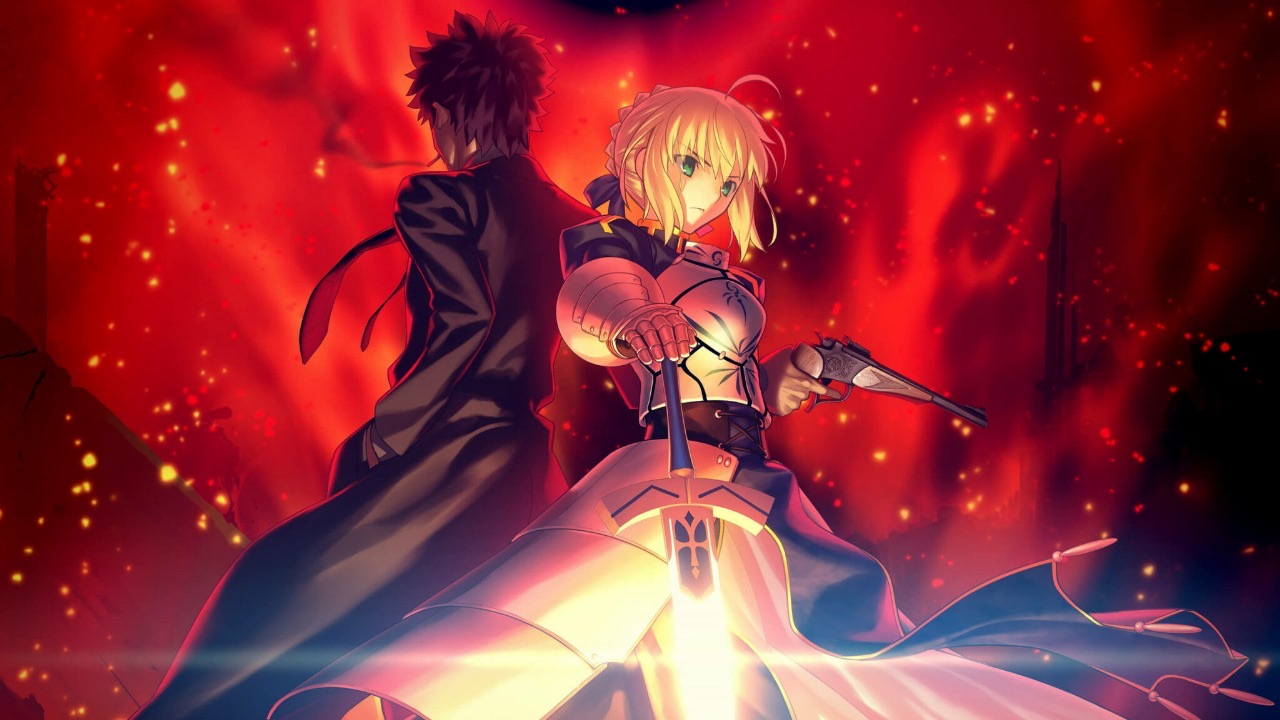
Fate/Zero is set ten years before the events of Fate/Stay Night. This prequel tells the story of the Fourth Holy Grail War, following seven mages and their Heroic Spirits. The main character, Kiritsugu Emiya—who is Shirou Emiya’s father—is an idealist. As different beliefs and political struggles grow, the Heroic Spirits face greater challenges in fighting for their masters. The story explores the moral cost of chasing an “ideal world” and how each mage must face the results of their own ambitions.
4. Demon Slayer: Kimetsu no Yaiba – The Movie: Mugen Train
Ratings
| My Anime List | 8.55 |
| Rotten Tomatoes | 98% |
| IMDb | 8.2 |
Synopsis
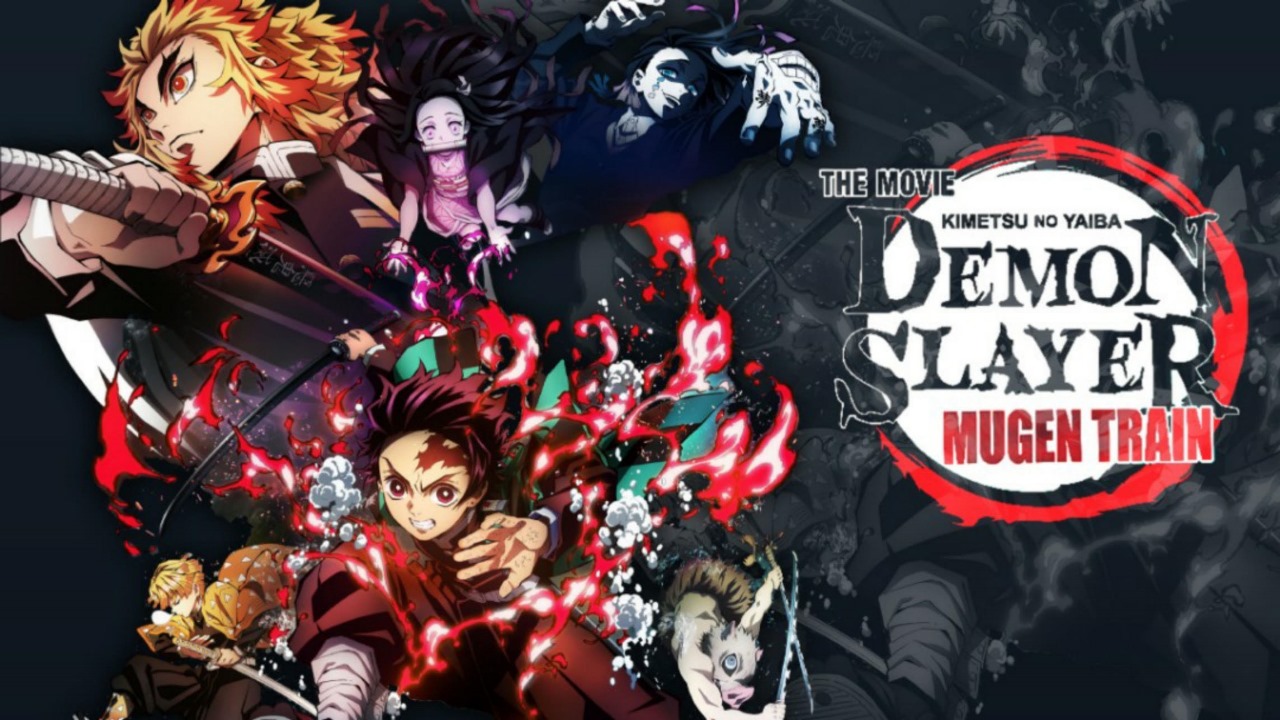
After the first season, Tanjiro, Nezuko, Zenitsu, and Inosuke board the Mugen Train to help the Flame Hashira, Kyojuro Rengoku, investigate a series of mysterious disappearances. They soon meet the demon Enmu, who can control dreams and makes each of them face their deepest hopes and fears. The story takes a major turn when Akaza, an Upper Rank Demon, arrives. His appearance leads to a battle that changes Tanjiro and the Demon Slayer Corps for good.
3. Fate/stay night: Heaven’s Feel – III. Spring Song

Ratings
| My Anime List | 8.64 |
| IMDb | 8.0 |
Synopsis
The Heaven’s Feel trilogy is part of the Fate/Stay Night series. This movie is the last in the trilogy and takes the Holy Grail War to its most intense and emotional point. As Sakura Matou loses herself to the dark forces inside her, we see just how determined Shirou Emiya is to save her. The final film wraps up all the conflicts in this story and ends with a conclusion based on sacrifice, loyalty, and the difficult choice of love over ideals, which goes against his father’s beliefs.
2. Demon Slayer: Kimetsu no Yaiba – The Movie: Infinity Castle – Part 1: Akaza Returns

Ratings
| My Anime List | 8.64 |
| IMDb | 8.0 |
| Rotten Tomatoes | 98% |
Synopsis
The first film in the Infinity Castle trilogy kicks off the final showdown between Kibutsuji Muzan and the Demon Slayer Corps. The Demon Slayers are pulled into the Infinity Castle, a maze that keeps shifting, where battles break out all over its floors and corridors. Akaza also returns, now even more intense than before. This movie sets up a major clash as the Demon Slayers take on the Upper Ranks, deciding the future of both the Corps and the Demons.
1. Demon Slayer: Kimetsu no Yaiba Entertainment District Arc
Ratings
| My Anime List | 8.71 |
| IMDb | 8.6 |
Synopsis
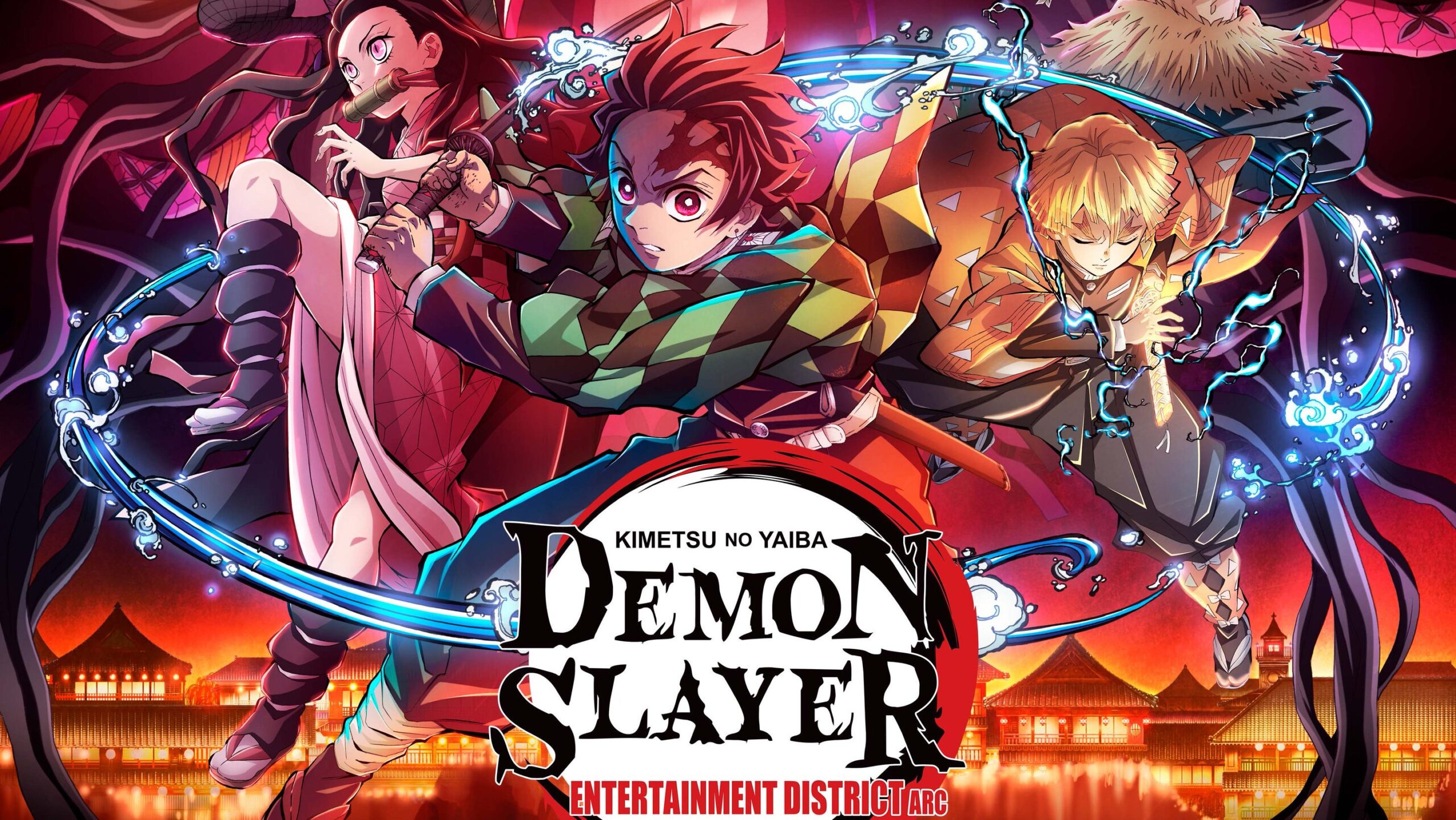
The second season of Demon Slayer picks up after the Infinity Train arc. Tanjiro, Nezuko, Zenitsu, and Inosuke team up with Tengen Uzui to investigate a series of mysterious disappearances in the entertainment district. As they dig deeper, they come face-to-face with the powerful Upper Rank Demon siblings, Daki and Gyutaro. The district soon becomes a battleground, and the group must find a way to overcome the siblings’ combined strength. This arc stands out for its exciting action and emotional moments, showing the main characters at their best as they tackle one of their toughest challenges.
Top-Grossing Ufotable Anime
Box office numbers reveal just how influential Ufotable has become on a global scale. Their movies, especially those tied to major franchises, consistently break records, dominate cinema charts, and set new industry benchmarks for animated films. In this section, we explore the top-grossing Ufotable anime of all time, examining not just the numbers but also the cultural momentum and worldwide reception behind these massive successes.
Demon Slayer: Kimetsu no Yaiba – The Movie: Infinity Castle – Part 1: Akaza Returns
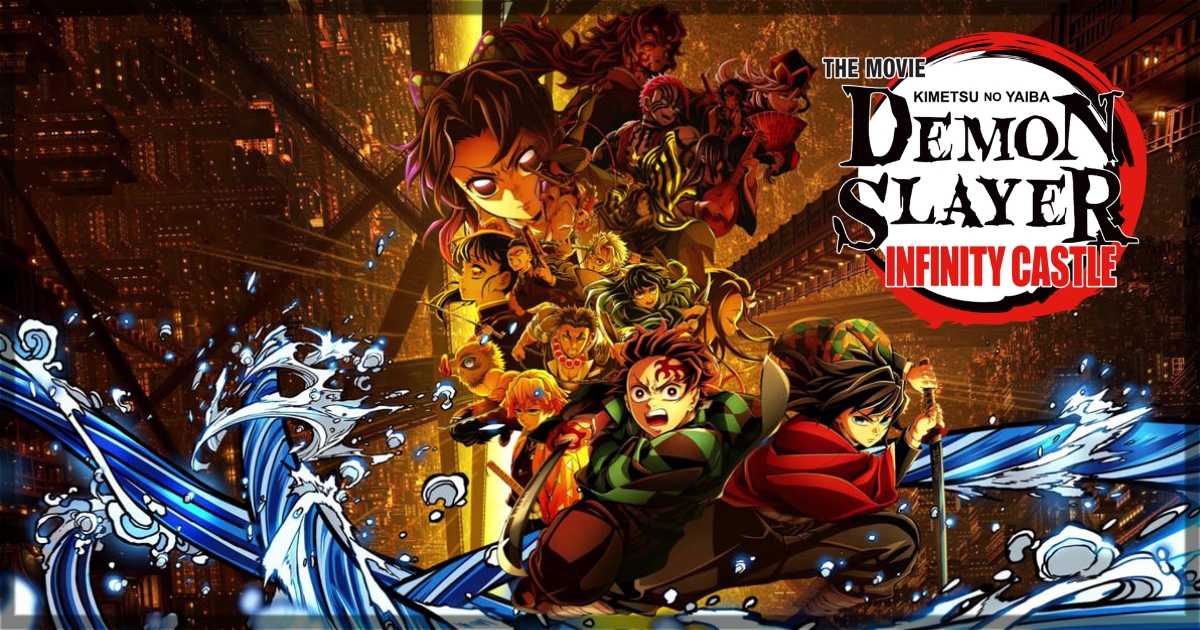
| Budget | $20 million |
| Box Office | $780 million |
Mugen Train didn’t just dominate the box office; it became a global cultural moment. As the highest-grossing Japanese film in cinema history at its release, this movie proved Ufotable’s ability to deliver theatrical-quality animation that could compete with Hollywood blockbusters. Its emotional story, jaw-dropping visuals, and popularity of the Demon Slayer franchise contributed to its phenomenal success.
Demon Slayer: Kimetsu no Yaiba – The Movie: Mugen Train
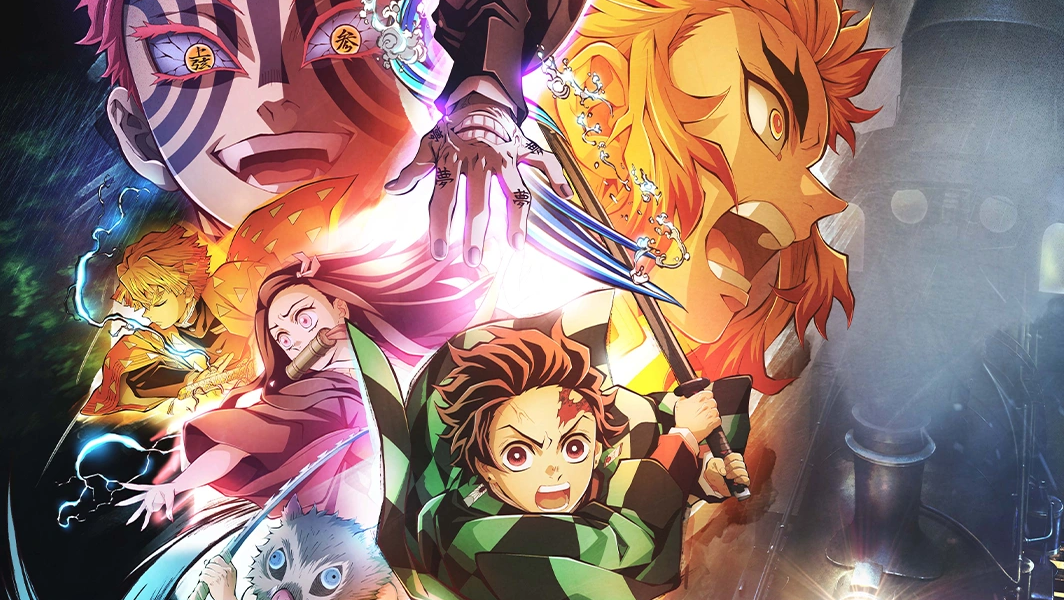
| Budget | $15.7 million |
| Box Office | $512.7 million |
Released as the climactic arc of the Demon Slayer story, Infinity Castle shattered expectations with record-breaking presales, global hype, and unmatched animation spectacle. Fans praised its intense choreography, darker themes, and the studio’s bold use of CGI fire and water techniques. Its commercial performance further cemented Ufotable as a titan of theatrical anime.
Fate/stay night: Heaven’s Feel – III. Spring Song
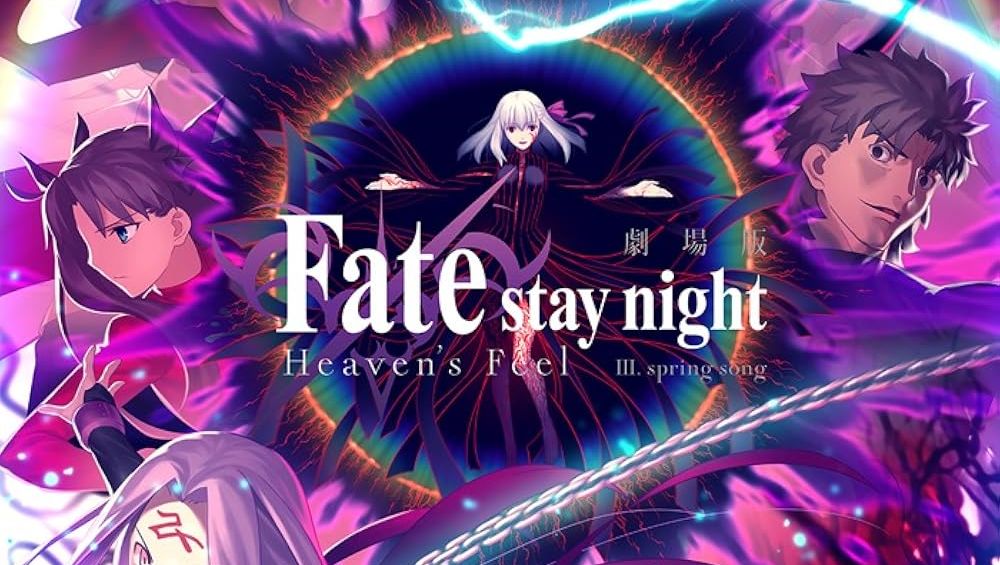
| Budget | $15.7 million |
| Box Office | $512.7 million |
Though far smaller in scale compared to Demon Slayer, the final film of the Heaven’s Feel trilogy was a commercial success within the Fate community. It topped Japan’s weekend box office during release and performed strongly overseas through limited screenings. Its emotional conclusion, mature tone, and polished animation helped solidify the Heaven’s Feel trilogy as some of Ufotable’s finest cinematic work.
Our Favourite Ufotable Anime
Everyone has their own favourites, and choosing the “best” Ufotable works often comes down to personal connection. In this section, I will be sharing our top picks; not ranked, but chosen for their impact, emotional resonance, and artistic excellence.
Demon Slayer
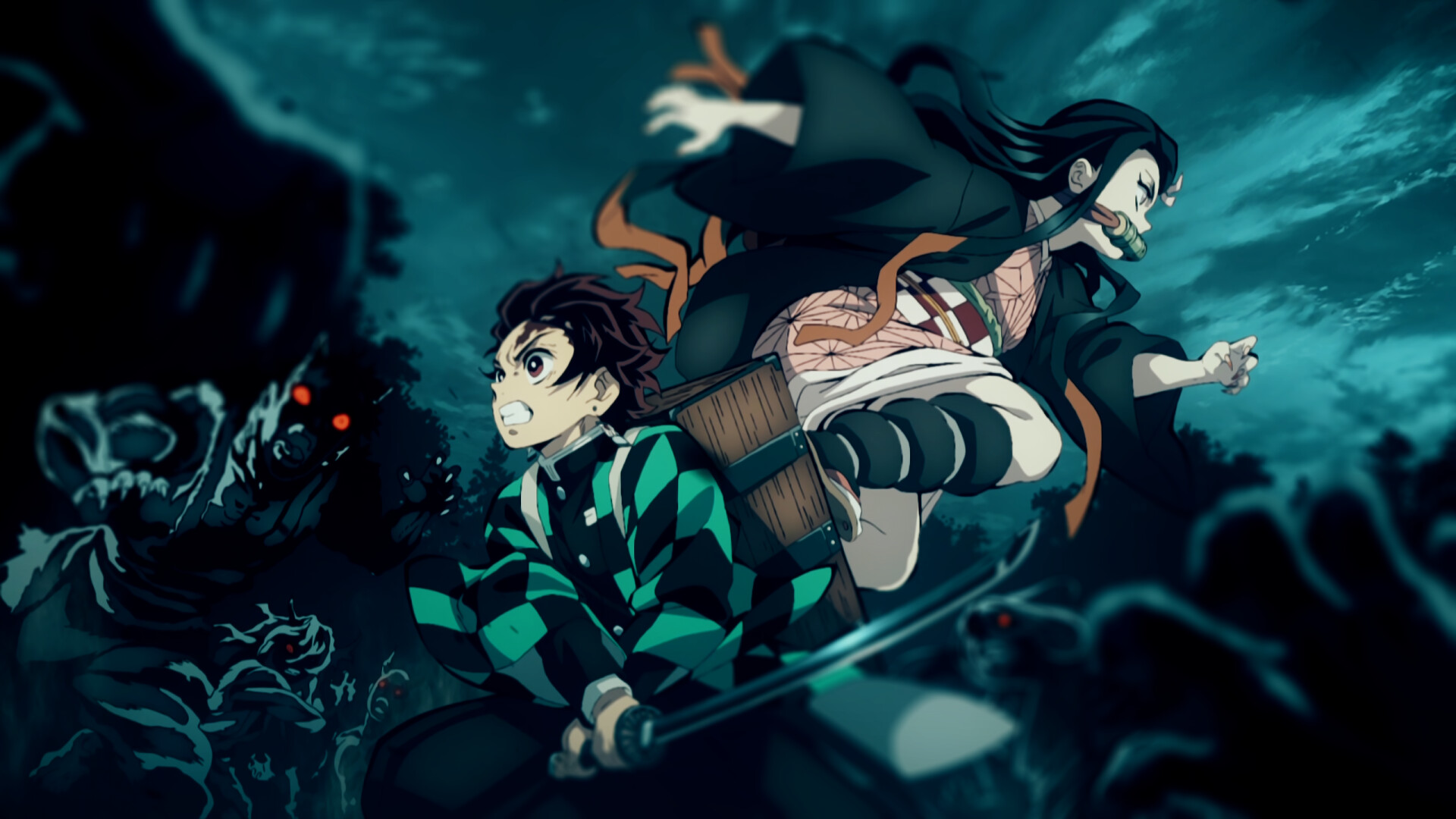
In its essence, Demon Slayer is a mere story of loss, hope, and perseverance, but Ufotable takes that simplicity and elevates it to the cinematic level. The story of Tanjiro is more touching since the animation brings all the sword swings under the character of Tanjiro.
Elemental effects are not applied solely out of aesthetics; they represent the intensity of emotions in all conflicts and enable fighting to look meaningful, rather than decorative.
Even the silent scenes receive the same amount of attention. Even those scenes where Tanjiro feels threatened, the subtle gestures of Nezuko, and the silence between combats are all animated with the same intent as the larger scenes.
All these decisions form a world where emotion and motion support one another, and the narrative turns out to be alive on every frame.
Fate/Zero
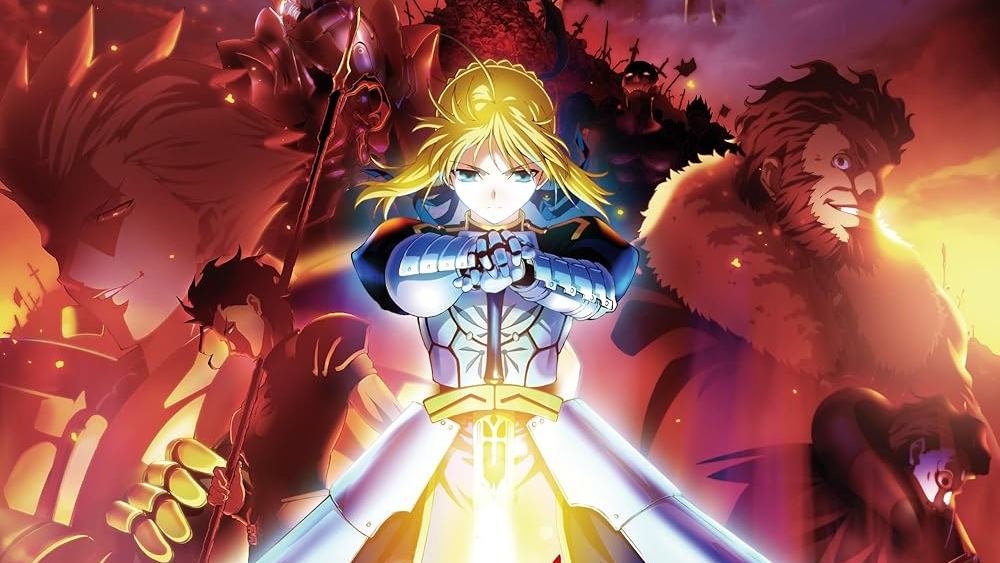
Fate/Zero is ethically ambiguous, emotionally dense and influenced by some inevitable feeling of tragedy. The aesthetic choices of Ufotable augment each and every line of Gen Urobuchi to an extent that each moment becomes purposeful.
Fate/Zero is the mature and darker version of Fate/Stay Night and features a ton of cool characters, both new and old. The character designs of the new Servants were amazing. I loved Rider, Berserker, and Caster in particular. It’s been ages since I watched the show, but these characters are still fresh in my mind.
The story of Fate/Zero was also exciting and a bit thought-provoking, I would say. Betrayals, sacrifices and top-notch fight scenes kept you on your toes. Even though this served as a prequel to Stay/Night, I still cared about the fate of every single character involved. This is how good this show was.
Garden of Sinners
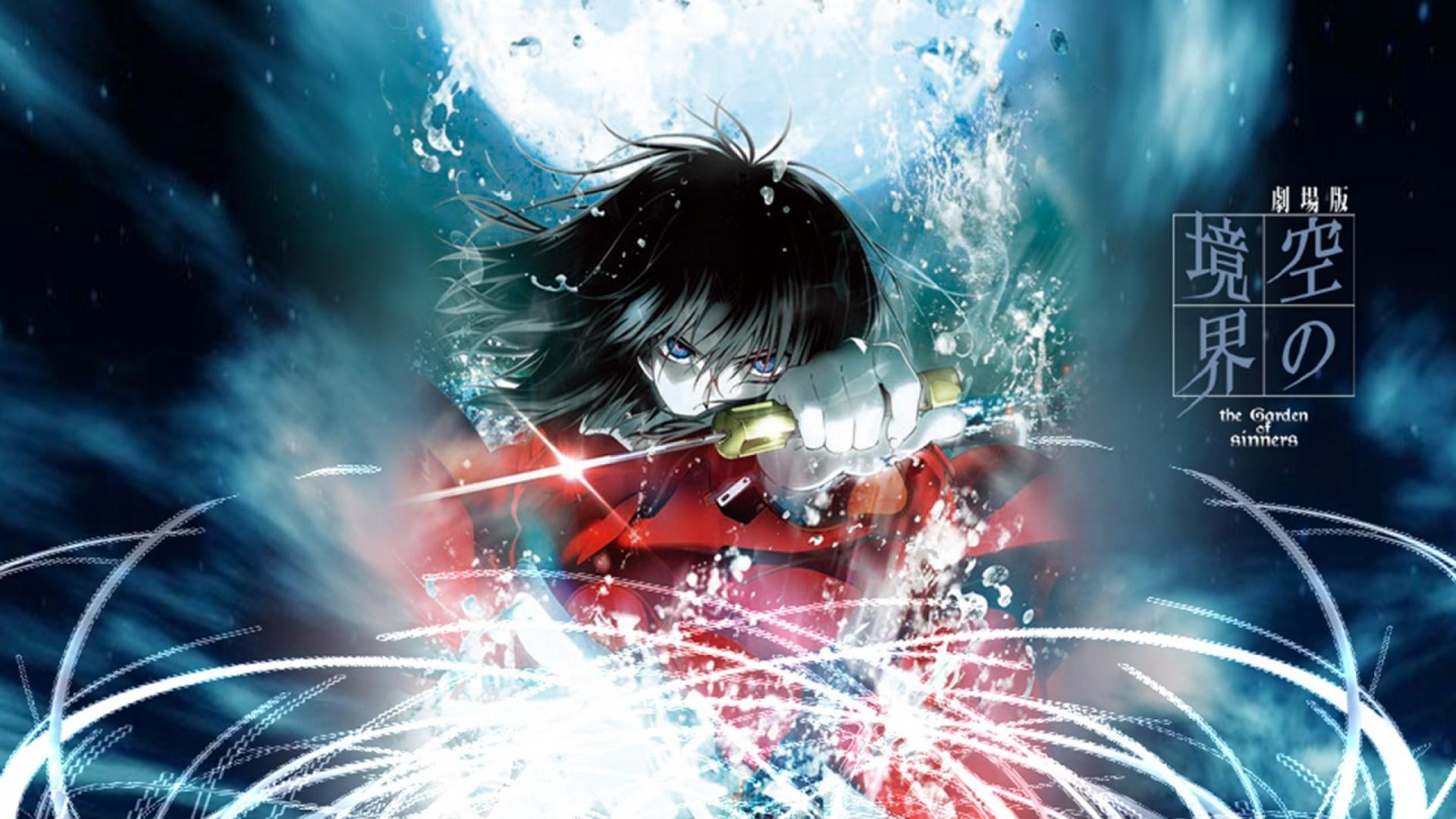
I personally like The Garden of Sinners since it places such an emphasis on the very specific aspect of Ufotable as a narrator. This dark, philosophical, and just beautifully quiet atmosphere is an immediate draw to me as the series has this eerie, atmospheric tone that most anime hardly ever dares to pursue. Each of the films is a closed world, but they are all tied together by a more intended story of identity, morality and the supernatural.
Shiki is a big reason I love it. Her composed sterness, mixed feelings, and ambivalence make her one of the most intriguing characters ever by Ufotable. The imagery is also very high-quality: the light, the city scenes at night, the surrealistic imagery, all of this makes the series like a movie that you can remember.
All in all, The Garden of Sinners is not only spectacular but also provocative and emotionally weighty, such that it is difficult to forget. Such a mixture of atmosphere, depth, and artistic performance is precisely the reason why it is among my favourite works by Ufotable.
Final Word
Ufotable’s body of work proves that anime can be both visually breathtaking and emotionally powerful, blending masterful storytelling with unmatched technical artistry. Whether it’s the philosophical weight of the Fate franchise, the raw emotional journey of Demon Slayer, or the atmospheric brilliance of Kara no Kyoukai, each ufotable anime showcases the studio’s dedication to pushing animation standards forward.
And this isn’t just our opinion; the information we found from Wikipedia, IMDb, and MAL also agrees. With an ever-expanding catalogue of TV series, arcs, and ufotable movies, the studio continues to influence the industry and captivate audiences worldwide.
FAQs
Ufotable animators reportedly earn anywhere from modest entry-level wages to higher per-frame or contract-based income, depending on their role, experience, and project demands. Exact numbers vary widely.
Ufotable is best known for blockbuster productions like Demon Slayer, the Fate/stay night, Heaven’s Feel trilogy, Fate/Zero, and Kara no Kyoukai, all praised for exceptional animation quality.
Ufotable is known for maintaining in-house production, ensuring tight creative control, consistent quality, and a signature cinematic look that elevates every frame across its anime and movies.
Popular Ufotable-animated characters include Tanjiro Kamado, Nezuko, Giyu, Saber, Kiritsugu Emiya, and Shiki Ryougi, each gaining recognition through the studio’s dynamic action and dramatic presentation.
Demon Slayer: Mugen Train and the Fate series installments frequently rank highest among Ufotable works due to their cinematic visuals, emotional storytelling, and massive global popularity.
Ufotable was founded by Hikaru Kondo, who remains closely tied to the studio’s leadership and creative approach, shaping its signature visual style and high production standards.
Ufotable combines meticulous hand-drawn animation with sophisticated digital compositing, creating rich lighting, fluid combat sequences, and immersive worlds that distinguish their anime from typical industry standards.

