Last Updated on January 1, 2026 by “Talha”
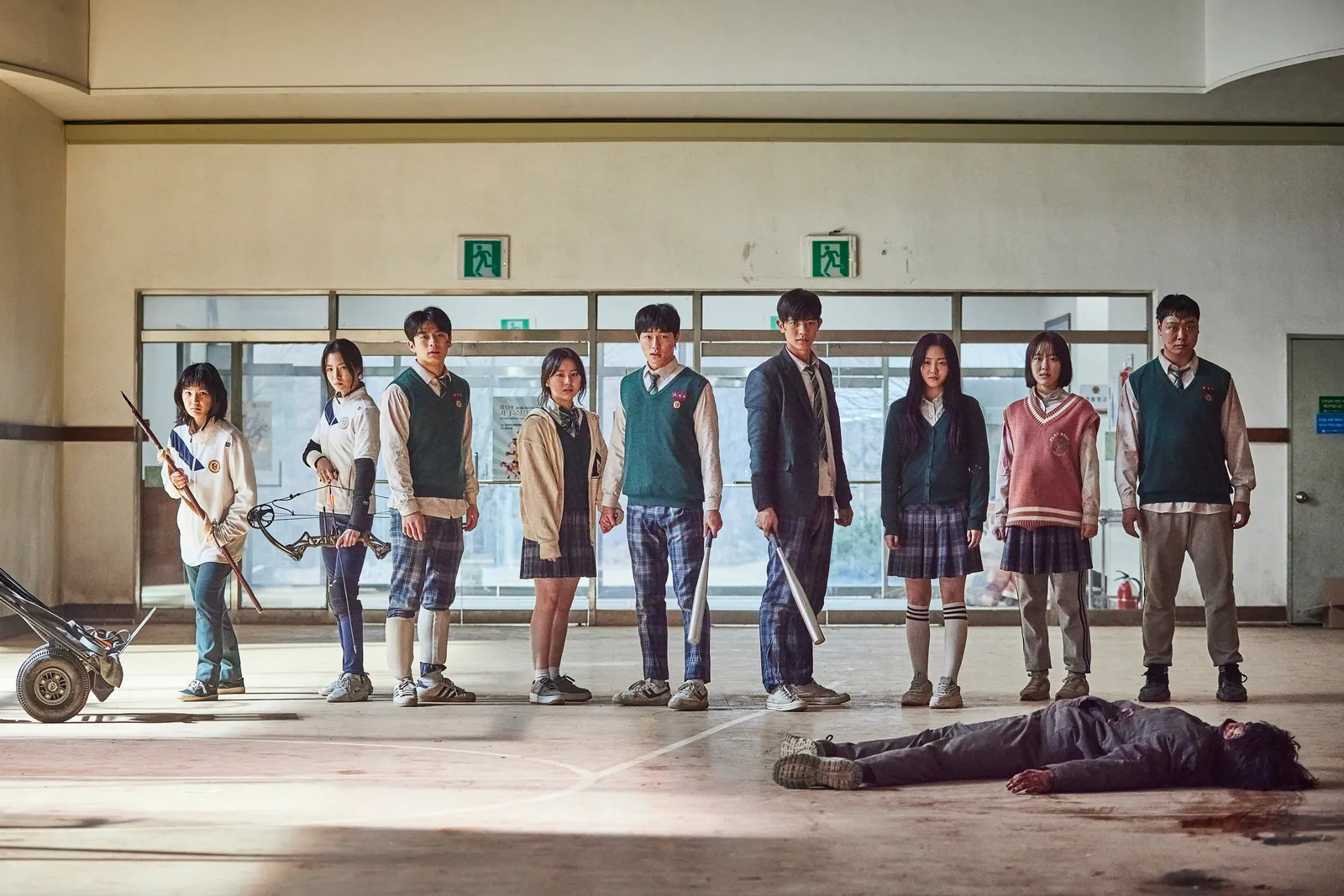
All of Us Are Dead quickly became one of the most popular zombie stories to come out of South Korea in the past few years following its release. The story began as a webtoon called Now at Our School by Joo Dong-geun, and was subsequently transformed into an original series by Netflix that made its gruesome, emotionally charged survival story known to people around the world.
Although a lot of discussion about the adaptation revolves around an adaptation of pacing, gore, or additional plotlines, the most significant modifications were made to the characterization of characters in All of Us Are Dead, their reinterpretation, and/or recontextualization in television. This article presents a character-by-character comparison of the webtoon All of Us Are Dead and its Netflix adaptation. Instead of covering the show as a whole, I will be taking a closer look at the personal differences that I found between characters as shown on Netflix, compared to the Webtoon, in terms of characterization, story weight, relationship, morality, and the thematic purpose of the modification.
Fundamentally, All of Us Are Dead is a character-centered survival story. The zombie outbreak is not a spectacle; it is more of a catalyst that reveals fear, selfishness, courage, loyalty, and moral decay in regular students and adults. The webtoon, as well as the Netflix series, focuses on the students of Hyosan High School; however, the manner of characterization is quite different in both cases.
The webtoon is more direct, even brutal, in its approach to characters and stresses realism, impulsiveness, and grey morality. Instead, the Netflix version is rich with emotional backgrounds, interpersonal dynamics, and extended character development, which makes its cast more relatable to the international audience.
All Of Us Are Dead Characters and Cast (Netflix)
Below, I have compiled a list of the main characters in All Of Us Are Dead adaptation by Netflix and the actors they were played by.
| Actor | Role |
| Park Ji-hu | Nam On-jo |
| Yoon Chan-young | Lee Cheong-san |
| Cho Yi-hyun | Choi Nam-ra |
| Lomon (Park Solomon) | Lee “Bare-su” Su-hyeok |
| Yoo In-soo | Yoon Gwi-nam |
| Lee Yoo-mi | Lee Na-yeon |
| Kim Byung-chul | Lee Byeong-chan |
| Lee Eun-saem | Park Mi-jin |
| Ha Seung-ri | Jang Ha-ri |
| Ahn Seung-kyun | Oh Joon-young |
The characters are present in both versions, although their significance, growth, and framing in terms of morality often vary significantly.
Webtoon vs. Netflix Characters: Core Differences in Adaptation
It is essential to know the philosophy of the adaptation before examining any specific characters in All of Us Are Dead. The webtoon is unapologetically pessimistic and bleak. There are often a lot of unsound choices by characters, sudden deaths, and little to no emotional resolution. The Netflix series alleviates some of this brutality through its focus on friendship, sacrifice, romance, and redemption. This change directly influences the manner in which characters are written and perceived.
The major adaptation patterns are:
- Greater emotional backgrounds of protagonists.
- More screen time for female characters.
- Greater ethical distinction (protagonists vs. antagonists).
- More emphasis on sacrifice and group survival.
- Less nihilism compared to the webtoon.
Now that this context has been set, the comparison of characters can become much more meaningful.
Nam On-jo
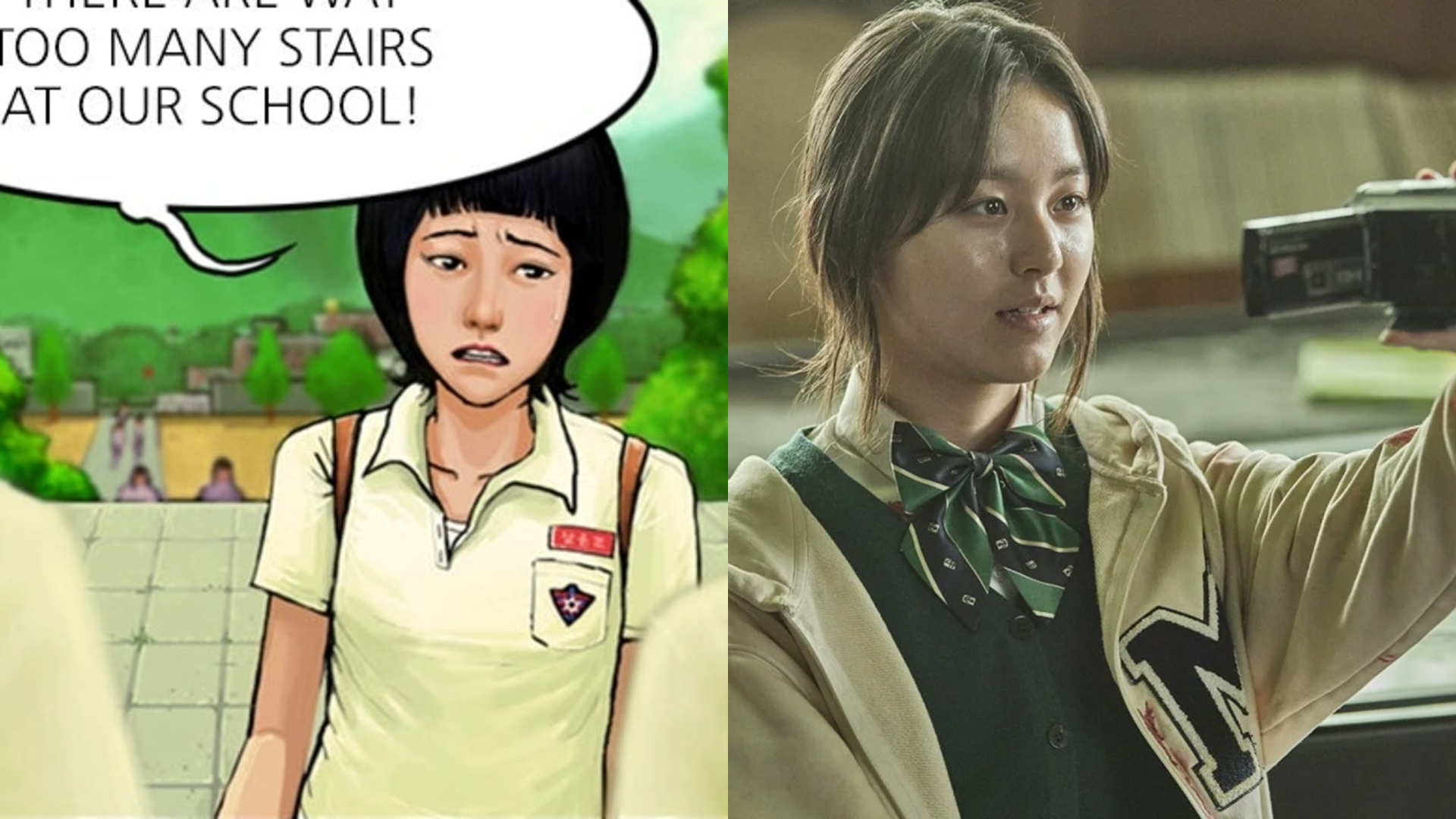
Nam On-jo is more of an observer in the webtoon. She manages to survive because she sticks close to the stronger personalities and responds to the chaos instead of creating it. Her feelings are muted, and her sorrows are seldom delved upon. Although realistic, this depiction tends to render her passive.
The Netflix version turns On-jo into the emotional center of the show. Her bond with her father is greatly extended, and she has incentives other than survival that motivate her. She is more emotionally intelligent, empathetic, and morally determined in nature and tends to be the conscience of the group.
Lee Cheong-san
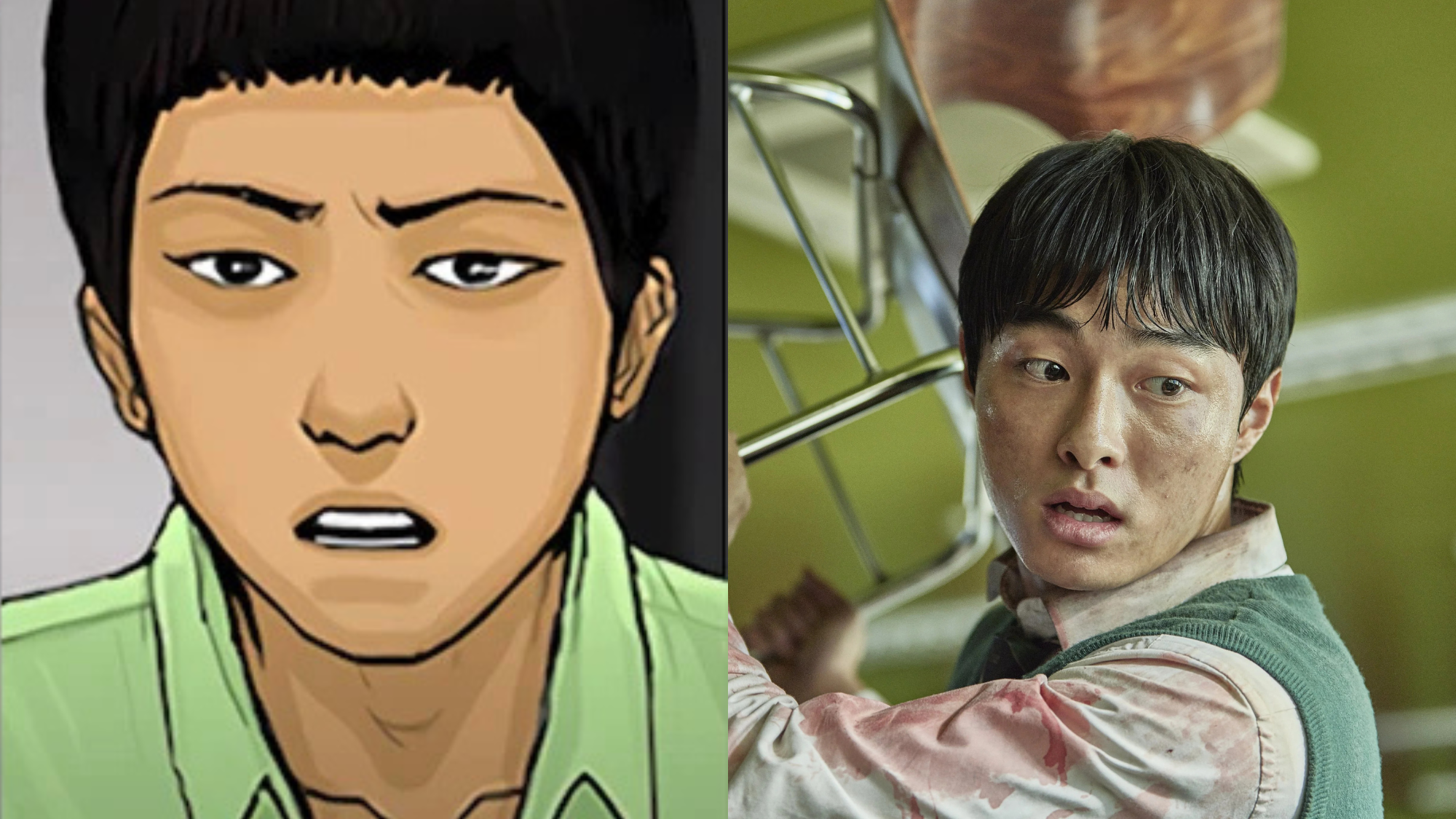
In the webtoon, Cheong-san is rash, quick-tempered, and often careless. His courage cannot be doubted, but his deeds seem to be retaliatory, not self-sacrificing. His relationship with On-jo is hinted at, but never fully developed.
In Netflix, Cheong-san is reimagined as a classic tragic hero. The emotional weight of the series revolves around his loyalty, the implicit love, and self-sacrifice. His arc is built on the theme of growth, with decisions that characterize him as a protector and not only a survivor.
Choi Nam-ra
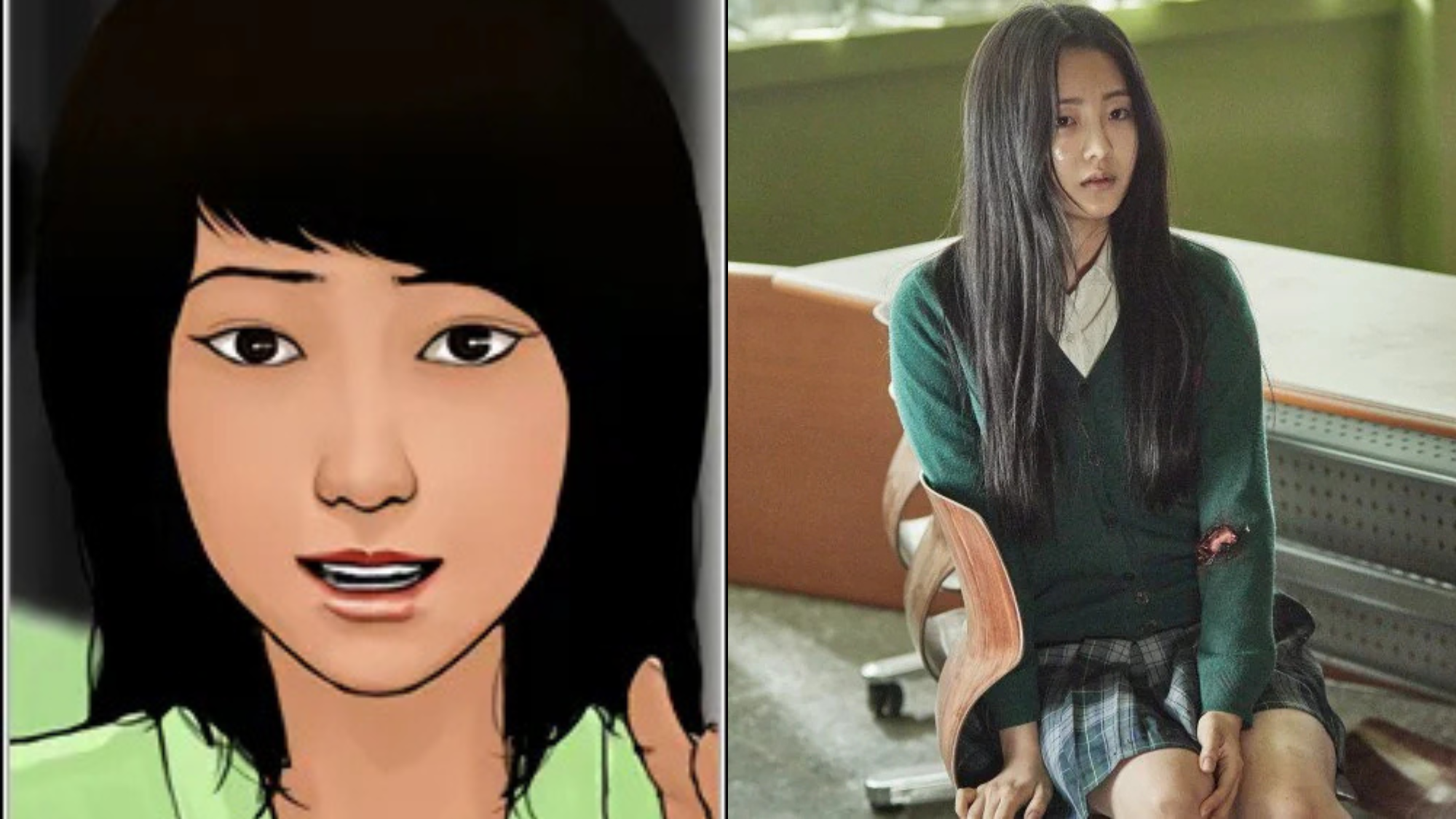
In the webtoon, Nam-ra is fairly reserved and is emotionally cold. Although smart, she stands on the sidelines of the narrative, playing a strategic role but seldom an emotional one.
The series enlightens Nam-ra to one of its most sophisticated characters. Being a half-zombie, she is the personification of the tension between instinct and morality. Her hunger and lack of self-control bring up some ethical concerns, which are not present in the webtoon.
Yoon Gwi-nam
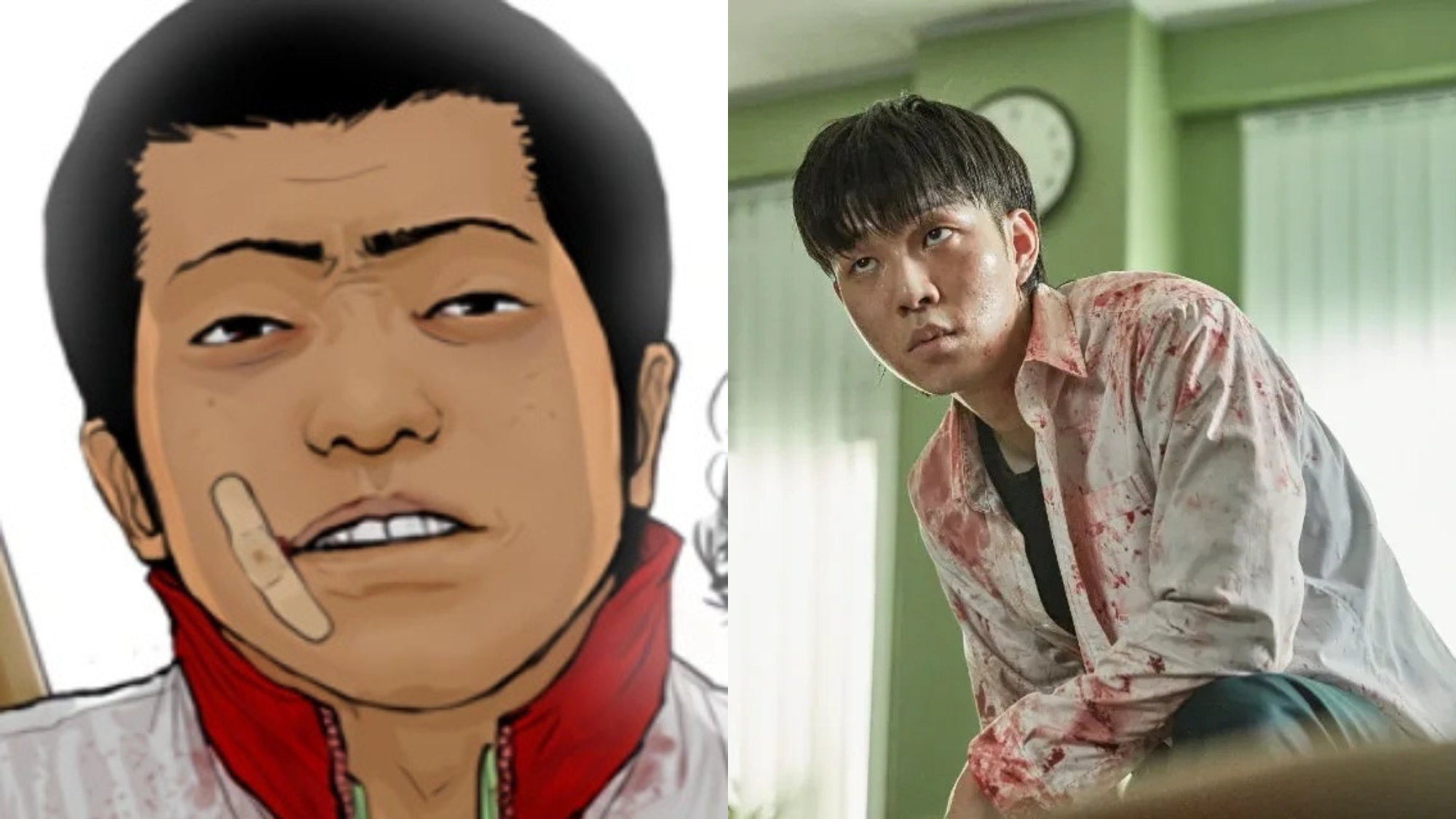
Gwi-nam is a violent, cruel, and opportunistic man, yet he is shown as realistic in the webtoon. He is harmful not due to his supernatural strength, but due to his uncontrollable aggression.
Netflix transforms Gwi-nam into an almost mythical villain. His survival, cruelty, and fixation on Cheong-san raise him to the status of a human monster even greater than the undead. Although this is a controversial alteration, this change provides the series with a consistent and personalized antagonist.
Lee Na-yeon
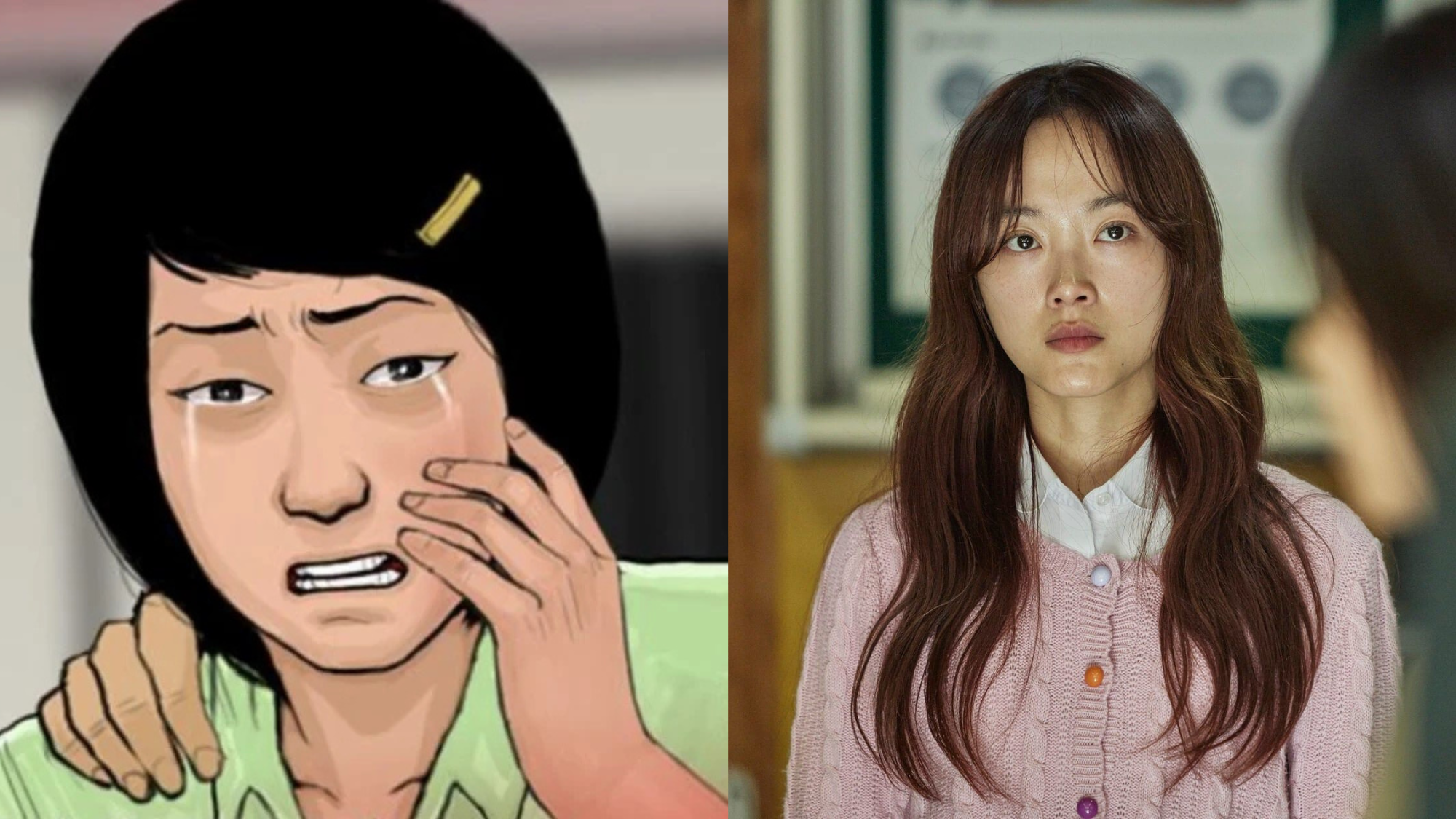
In the Webtoon, Na-yeon is brutal, snobbish, and beyond redemption. Her actions directly cause deaths, and her repentance is too late to make a difference.
The adaptation reinterprets Na-yeon as the tragic hero who has been created under the influence of fear and prejudice. Her inner struggle is highlighted, and her urge for redemption, although unsuccessful, humanizes her.
Lee Byeong-chan
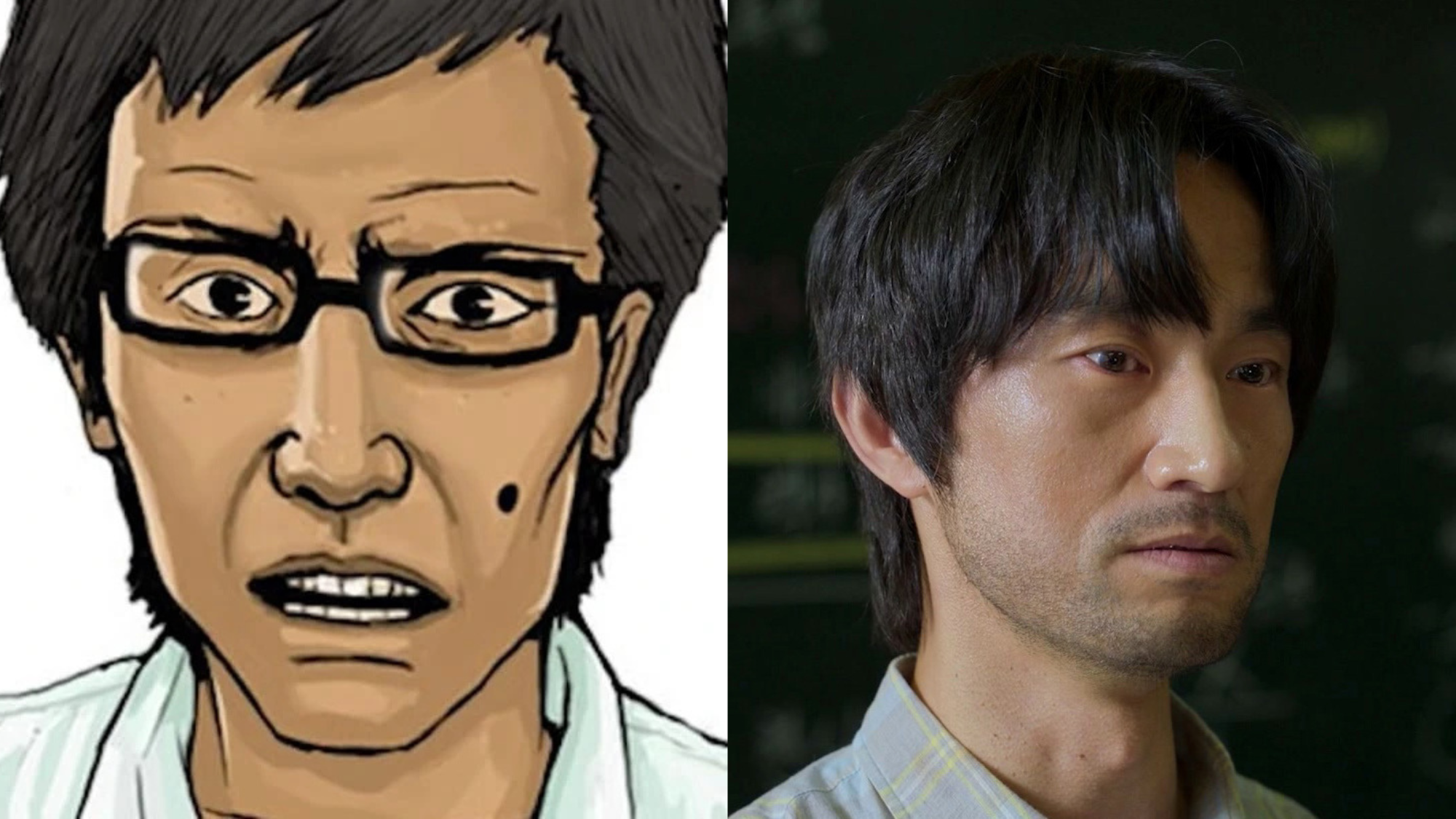
The webtoon depicts Byeong-chan as a scientist who is mainly a careless person whose activities end up causing disaster. His intentions are by-products of the mess he makes.
The series recontextualizes him as a desperate father. His experiments are a product of sorrow rather than aspiration, which lends some degree of ethical innuendo to his character.
Supporting Characters: Expanded Roles in the Netflix Adaptation
Netflix also adds great importance to the appearance of a number of supporting characters, especially female students and adult survivors.
The Netflix version develops characters like police officers and parents, which lends more weight to the larger societal implications of the outbreak.
Park Mi-jin and Jang Ha-ri
These characters have strong personalities, leadership, and fighting ability in the series, which is hardly the case in the webtoon. Their presence enhances effective representation and adds a balance to the narrative.
Final Thoughts
The disparities between the webtoon and Netflix version of All of Us Are Dead are most pronounced in the way characters are framed, written, and contextualized. Although the webtoon is still a potent and unyielding survival story, the Netflix series manages to shape its ensemble into fully realized emotional conduits of grief, fear, and hope.
Instead of diminishing the quality of the original, the adaptation redefines it, and the depth of the characters is the main instrument used to do this successfully. The webtoon is unparalleled for those who want to delve into the realism of the raw world. To the audiences who take pleasure in emotional storytelling and lengthy character development, the Netflix version is the ultimate experience. Ultimately, both versions prove to be successful, not in spite of their differences, but due to them.
FAQs
The supporting roles were restructured or enlarged, but the vast majority of the characters are an adaptation rather than a creation of their own.
The show is based on the webtoon Now at Our School, written by Joo Dong-geun, but Netflix changed major aspects of characters and the storyline.
Yes, the webtoon has a darker, more nihilistic view on surviving with less comfortable incidences of hope or redemption.
The changes in personality, narrative significance, and emotional nuances were the most notable to Nam On-jo, Cheong-san, Nam-ra, and Gwi-nam.
The Netflix series is more detailed in the development of the characters, whereas the webtoon is better in the sphere of unrefined realism and the uncertainty of morals.
To accommodate episodic narratives and appeal to a global market, and instill more emotional interaction in terms of character-driven narratives.

